Second Internship Experience at Tesla
For my second internship at Tesla, I came back as a software engineering intern on the material flow team. This time I was working on technology that directly shaped how the factory was designed and operated.
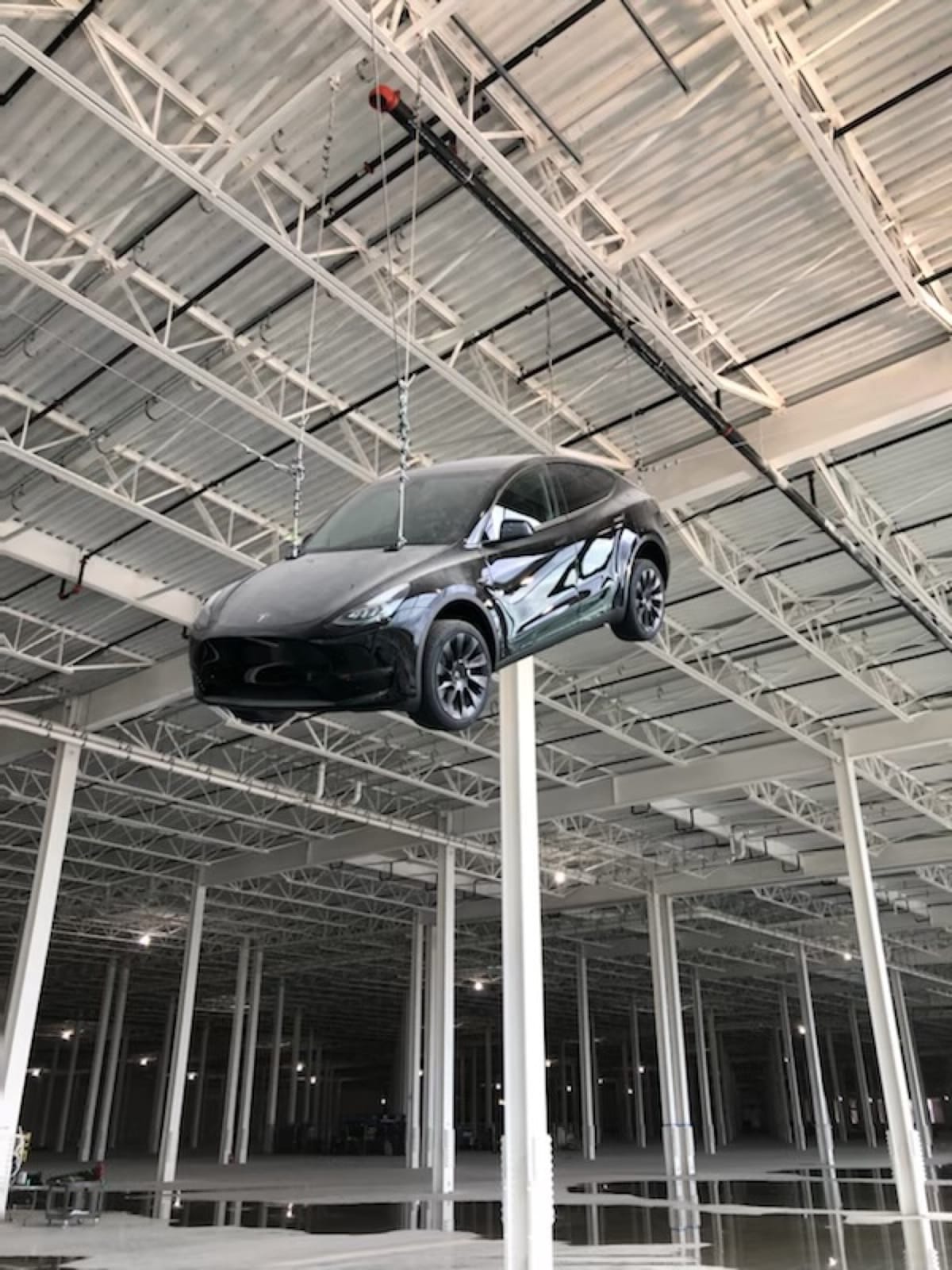
Revit Model Extraction Tool
I led the development of a C# tool that completely changed how we extracted data from Revit models. The tool improved how Revit and Tesla’s in-house software talked to each other, making it way easier to extract Revit element metadata for different tools across the company. This metadata was super important for the material flow team. They used it to calculate operational and automation costs, track KPIs, and optimize different layout options. The best part? This extraction service cut manual work from 12 hours down to just minutes. That saved the company a ridiculous amount of money.
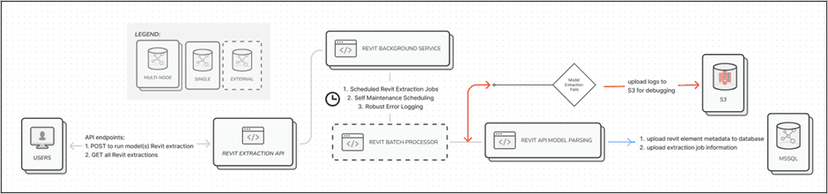
Building Something Scalable
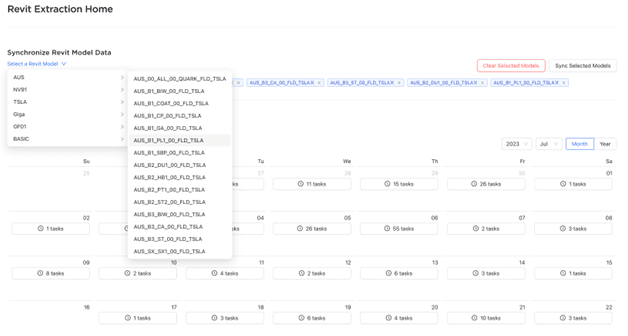
Building the Revit Extraction Service was honestly pretty challenging. I had to figure out a smart strategy to handle all the complexities of the Revit API and optimize how it interacted with the BIM cloud. I designed a self-sustaining architecture for real-time extraction and used parallel processing to handle the massive models we were dealing with at Tesla’s factories. Scalability was really important, so I added extensive error logging to quickly fix issues when they popped up and analyze them later. I also built a detailed frontend to visualize the extraction data and monitor job statuses, which made sure everything was running smoothly.
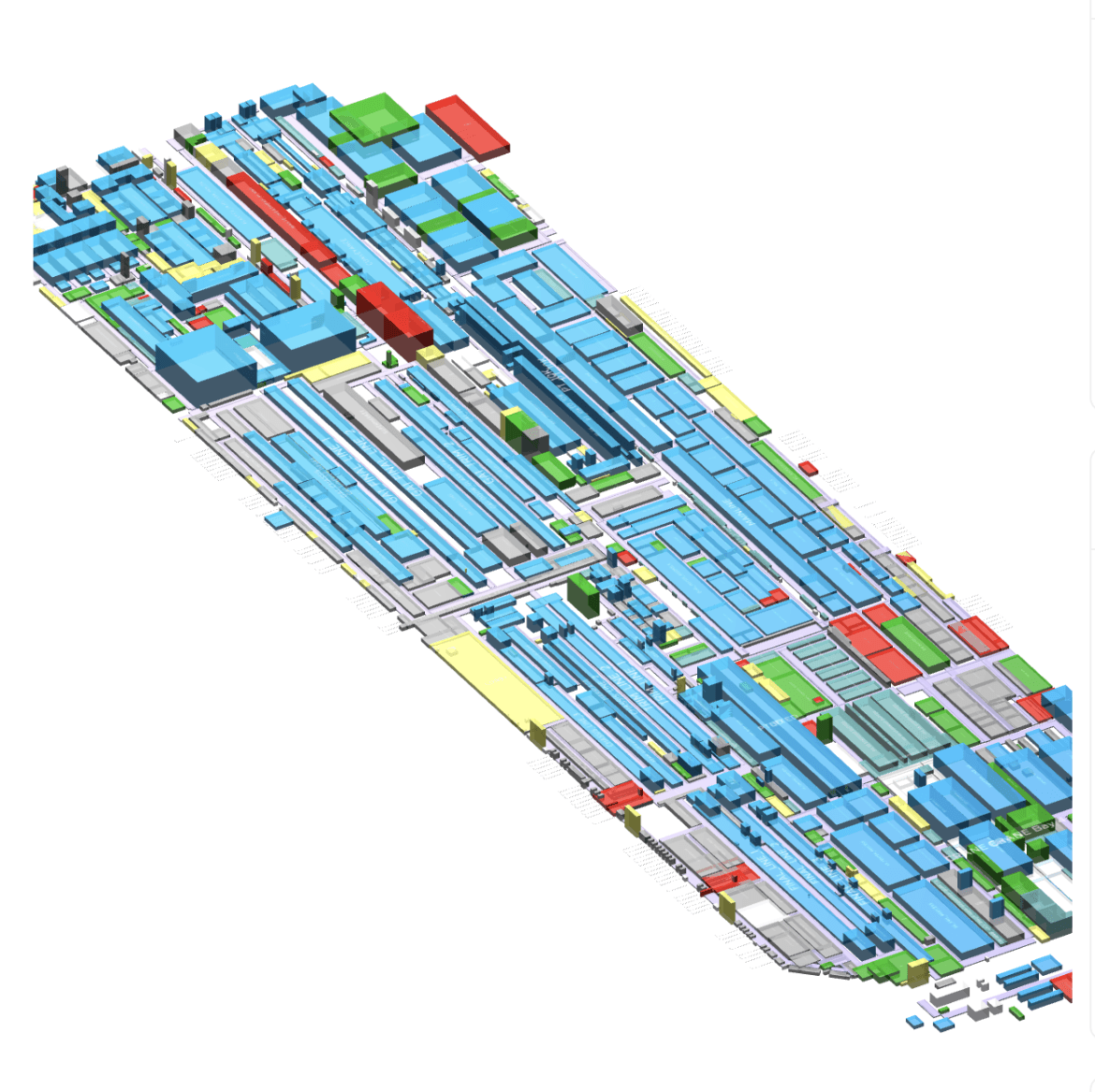
Data Visualization Frontend
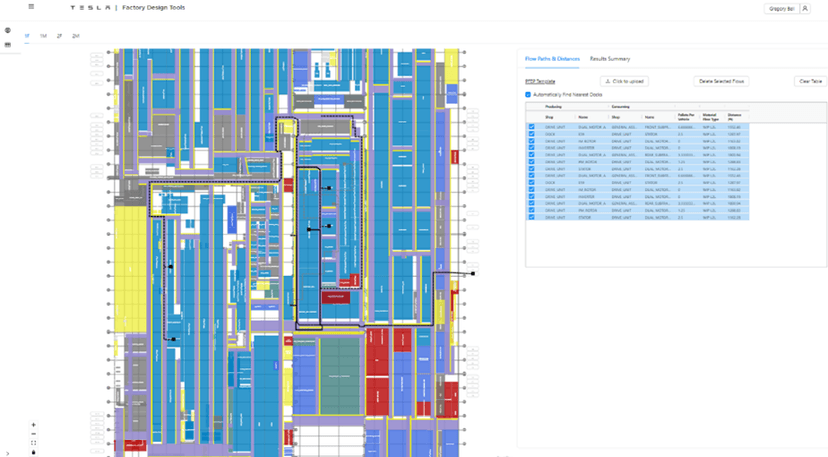
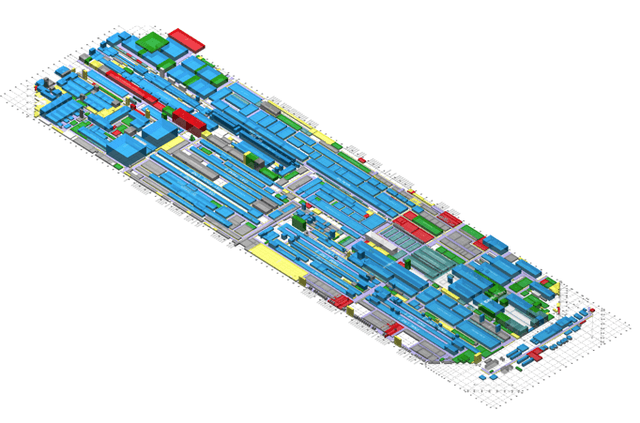
My design skills came in handy for building an advanced frontend tool that complemented the automated Revit extraction. Using ReactJS and Deck.gl, I created dynamic data visualizations that made it way easier for users to interact with the data and get useful insights. Learning Deck.gl was cool because I got to turn all that extracted data into visually compelling 3D representations. This helped stakeholders actually understand what was going on and make better decisions about factory design and layout optimization.
5G Ericsson Positioning Trial
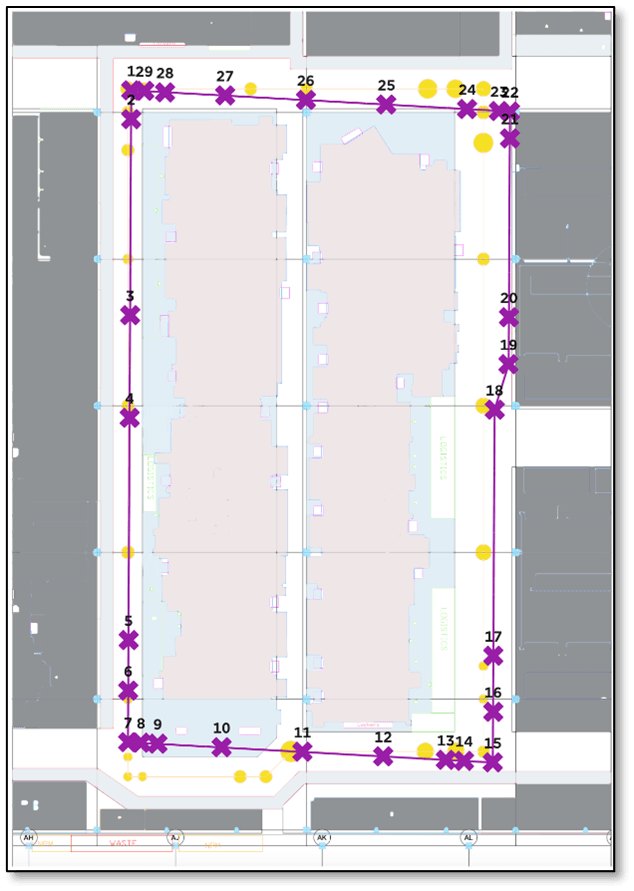
I also got to work on some groundbreaking trials with Ericsson’s 5G network for monitoring and optimizing real-time asset movements inside Tesla’s facilities. Working with the development team, I designed and implemented algorithms to convert geographical coordinates into pixel values on graphical interfaces. This trial was pretty innovative and showed the real potential of 5G for real-time asset monitoring. It gave us valuable insights into operational efficiency and honestly pushed some technological boundaries.
Looking Back
This internship at Tesla was honestly a game changer. I got to work on projects that were right at the edge of innovation, from completely changing how we did Revit model extraction to experimenting with 5G tech. I learned a ton and gained skills that will definitely shape my future in tech and engineering. Being part of a team with some of the best engineers and tackling real problems fueled my passion for building cool stuff. It inspired me to keep pushing boundaries and see what else is possible.