Venture Partner at Pioneer Fund
Pioneer Fund is a seed fund of 500+ Y Combinator alumni that invests in YC startups. In September 2026 I joined as a Venture Partner.
The invitation came after Pioneer invested in OctaPulse, so I had already been on the founder side of their table.
It started with cookies
OctaPulse is the company Paul Grech and I founded and took through YC in the Winter 2026 batch. Shortly after Pioneer invested, Pioneer sent us two iced cookies. One was printed with the OctaPulse logo. The other was printed with Pioneer’s.
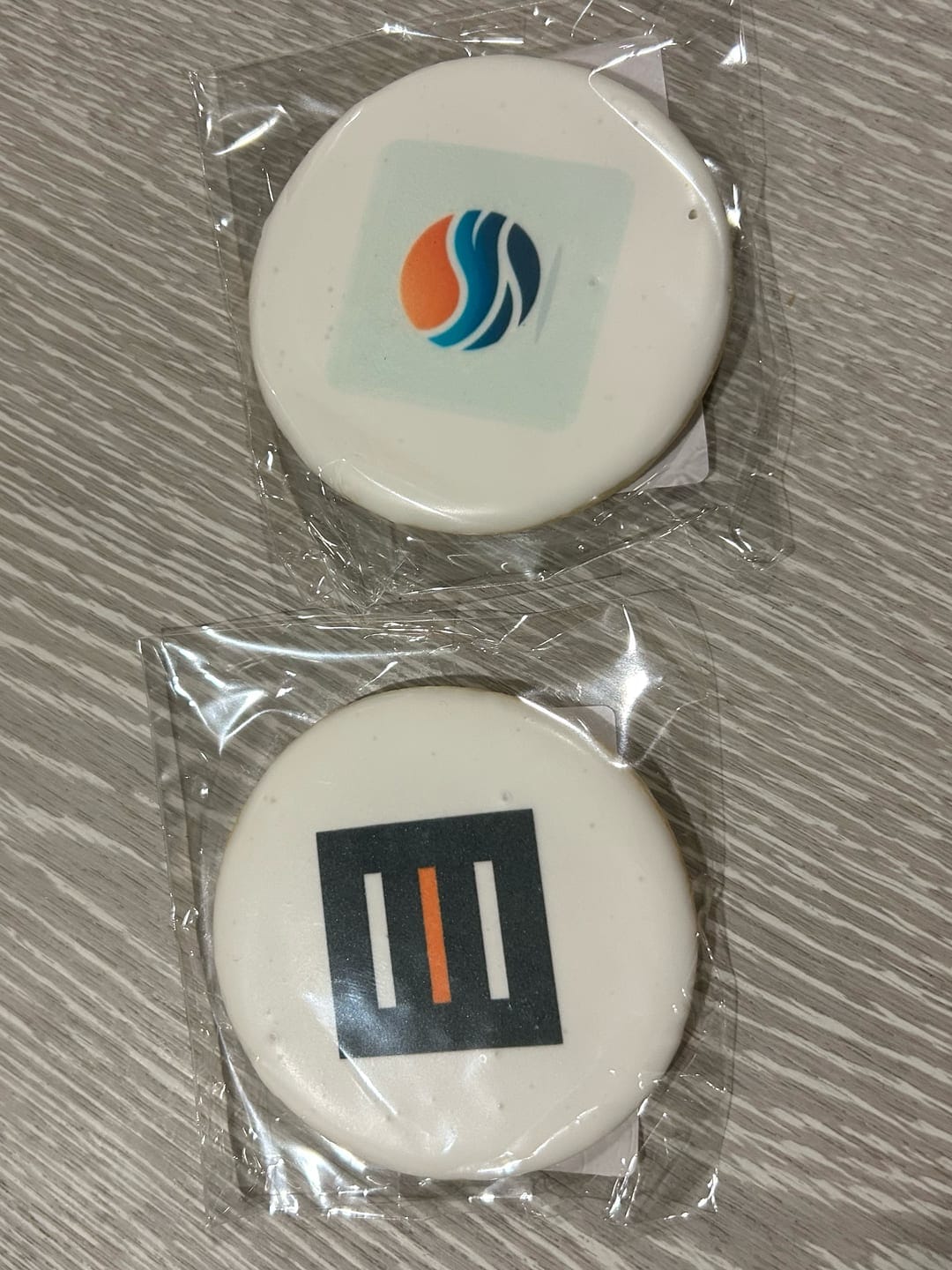
It is a small thing, and it said a lot about how founder-friendly the firm is.
From the founder side, working with Pioneer felt fast, thoughtful and founder-friendly. So when they invited me to come to the other side of the table, I said yes.
Pioneer bet on us early. Now I get to help them bet on the next wave of robotics founders.
Why I am doing this
As a first-time hard-tech founder, I have been carried a long way by people who did not have to help.
CMU’s Swartz Center for Entrepreneurship. Innovation Works’ Robotics Factory. Y Combinator. Pioneer. Every one of them backed or helped OctaPulse early.
I cannot pay any of that back directly. What I can do is pay it forward, to the founders who are where we were not long ago.
There is a selfish reason too. Sitting on founder calls next to experienced partners is one of the fastest ways I know to learn what separates the companies that break out from the ones that stall. It makes me a better operator at OctaPulse.
What the work actually is
Venture Partners at Pioneer are YC alumni who help the fund make decisions and help the companies it backs. My lane is the one I live in every day: robotics, physical AI, computer vision, and hardware and ML systems.
Founder calls. I join calls with founders building in my domain, ask the technical questions, and send structured feedback to the fund afterwards.
Technical diligence. Rigorous technical diligence is hard to find in hardware and robotics, and it is where I can be most useful. The questions I keep coming back to are the ones I have had to answer for my own company:
- Is the perception stack real, or is it a demo? A model that works on a curated video and a model that works on the thousandth frame from a dirty lens are different products.
- Are the sensor choices sound for the environment, or were they picked because they were on the bench?
- Do the bill of materials and the unit economics work at the volume the plan needs?
- Can it actually be manufactured, or does it only exist as one hand-built prototype?
- Will it hold up in the field, not just in the lab? Water, heat, vibration, bad networks and tired operators are where hardware companies are really tested.
Batch reviews. A Pioneer partner leads a session with a few Venture Partners, and we go through a handful of companies from a YC batch. Everyone does their own research on every company beforehand, then we discuss them together.
Helping the portfolio. This is where my own time building OctaPulse is most useful:
- Getting hardware from a prototype to a paid pilot in places that look nothing like a lab.
- Selling into traditional industries like agriculture and food production, where sales cycles are long and the buyer is not an engineer.
- Structuring pilots so they actually convert instead of ending as a nice slide.
- Stacking non-dilutive funding: university grants, VentureWell-style programs and accelerators.
- Finding early technical hires through the CMU robotics and AI network.
Introductions. Connecting founders to customers, technical talent, advisors and other investors when I know someone who can help.
Keeping it separate
I do Pioneer work alongside running OctaPulse, and I keep the two separate.
I check for conflicts before every call. I recuse myself from anything involving OctaPulse. And what founders share with me stays with the fund. I have been the founder on the other end of that call, and I know what it takes to share the real picture with someone you just met.
The other side of the table
Sitting on the investor side has felt less different than I expected. The same things I was trying to prove about OctaPulse are the things I now look for in other founders: a sentence that travels, a system that survives the real world, and a team that is honest about what its numbers mean.
The difference is that now, when I see a founder doing that well, I get to help.